
Introduction to Marketing Automation
Marketing automation is revolutionizing how businesses approach their digital marketing efforts, enabling them to work smarter and more efficiently. By automating repetitive and time-consuming tasks, such as email campaigns, lead nurturing, and data analysis, marketing teams can focus on creative strategies and deeper engagement with their audience. This technology empowers businesses to deliver tailored content to the right people at the right time, enhancing customer experiences and building stronger connections.
One of the key advantages of marketing automation is its ability to manage complex workflows seamlessly. For instance, businesses can set up automated processes to send personalized follow-ups based on user behavior, such as a website visit or a social media interaction. These capabilities allow marketers to not only save time but also respond quickly and effectively to customer needs. Additionally, automation tools can track and analyze user data, offering valuable insights into customer preferences and behaviors. This data-driven approach enables businesses to refine their strategies and create more targeted campaigns.
By leveraging marketing automation, companies can achieve greater scalability, reaching a larger audience without compromising the quality of their messaging. As businesses face increasing pressure to stay competitive in the digital landscape, incorporating automation into their marketing strategy is no longer a luxury but a necessity.
Understanding Social Media Marketing Strategy
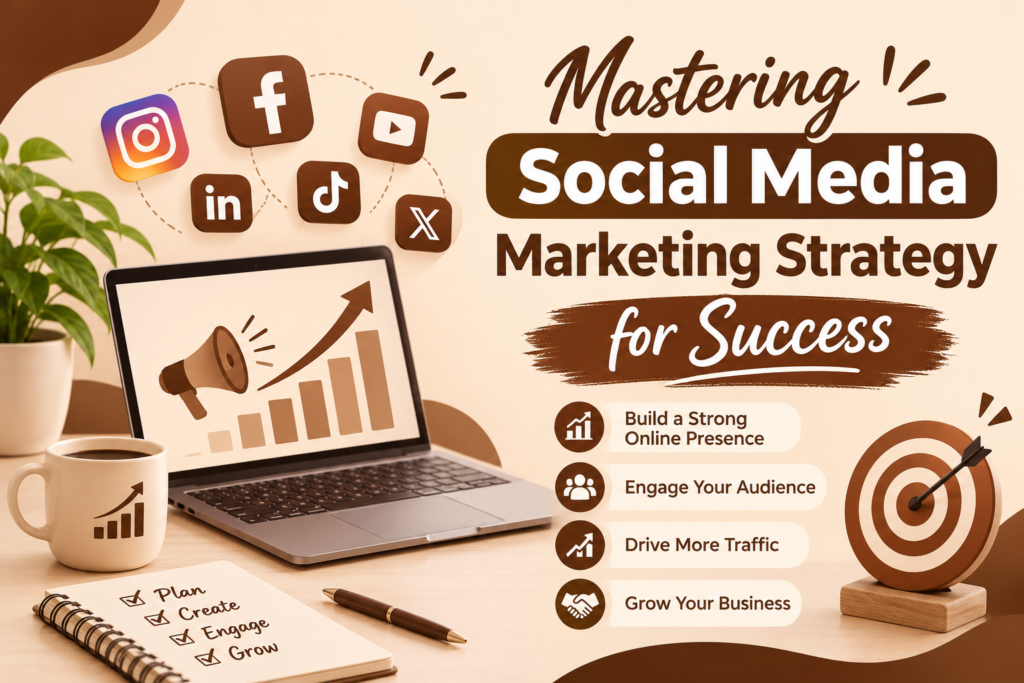
A well-crafted social media marketing strategy is essential for fostering meaningful connections with your audience and achieving business goals. At its core, this strategy involves selecting the right platforms where your target audience is most active and tailoring your content to fit each platform’s unique style and capabilities. Whether it’s leveraging Instagram’s visual storytelling, LinkedIn’s professional network, or TikTok’s dynamic trends, understanding the nuances of each channel is key to maximizing engagement.
Equally important is creating content that resonates with your audience. This means going beyond promotional messaging and offering value through educational posts, entertaining videos, or thought-provoking discussions. Consistency in posting and maintaining a cohesive brand voice helps build trust and familiarity among followers. Social media is also a two-way street—actively engaging with your audience through comments, direct messages, and user-generated content fosters a sense of community and loyalty.
To ensure your strategy remains effective, it’s vital to keep an eye on performance metrics like reach, engagement, and audience demographics. These insights not only highlight what’s working but also provide direction for refining your approach. Social media trends and algorithms evolve quickly, so staying adaptable and responsive to changes will help you maintain relevance and continue to grow your presence online. By embracing a thoughtful and audience-centric approach, businesses can unlock the full potential of social media as a powerful marketing tool
Integrating Marketing Automation with Social Media
Integrating marketing automation with social media allows businesses to streamline their efforts and create more cohesive strategies. Automation tools can simplify the process of scheduling posts across multiple platforms, ensuring consistent messaging while saving valuable time for marketing teams. Beyond scheduling, automation enhances targeted advertising by segmenting audiences based on data like demographics, behaviors, and interests, enabling marketers to deliver more relevant content.
Another key benefit is the ability to use triggers based on user interactions, such as liking a post or clicking a link, to send tailored follow-ups through other channels like email or direct messages. This helps nurture leads and keeps potential customers engaged throughout their journey. Additionally, social listening tools powered by automation can monitor conversations and mentions in real time, providing insights into audience sentiment and emerging trends.
Marketers can also leverage chatbots on social platforms to provide immediate responses to inquiries, offering seamless customer service while freeing up team members for higher-level tasks. These automated interactions not only enhance the customer experience but also contribute to building trust and loyalty. By centralizing data from social media campaigns, automation platforms make it easier to analyze performance metrics, identify successful strategies, and refine future efforts.
Using marketing automation alongside social media fosters a data-driven approach, enabling brands to adapt quickly and remain competitive in the ever-changing digital environment.
Tools for Marketing Automation in Social Media
There are a variety of tools designed to streamline marketing automation for social media, each offering unique features to enhance efficiency and engagement. Hootsuite enables users to schedule posts across multiple platforms, monitor interactions, and track performance analytics in one centralized dashboard. Similarly, Buffer simplifies content scheduling and provides insights into the best posting times based on audience activity. For businesses seeking an all-in-one solution, HubSpot integrates social media automation with email marketing, CRM, and lead tracking to create a cohesive workflow.
Sprout Social is another robust option, offering advanced reporting features and social listening tools that help brands stay attuned to audience sentiment. Tools like Later specialize in visual platforms such as Instagram and Pinterest, making it easier to plan and optimize visually-driven content strategies. For those focused on collaboration, CoSchedule offers a content calendar that allows team members to coordinate campaigns seamlessly.
Automation tools can also assist with ad targeting and budget optimization. Platforms like AdEspresso by Hootsuite help businesses refine their social ad campaigns by testing different creative variations and audience segments. These tools not only save time but also improve the precision of marketing efforts.
When selecting a tool, consider factors like integration capabilities, ease of use, and scalability to ensure it aligns with your overall marketing strategy and goals
Measuring Success in Marketing Automation and Social Media
To gauge the impact of marketing automation and social media efforts, businesses should focus on actionable metrics that provide clear insights into performance. Metrics such as engagement rates, including likes, comments, and shares, highlight how well content resonates with the audience, while click-through rates reveal the effectiveness of calls-to-action and content relevance. Conversion rates, on the other hand, offer a deeper understanding of how social media and automated campaigns contribute to achieving specific business objectives, such as lead generation or sales.
Tracking audience growth is another essential indicator of long-term success, showing whether your efforts are attracting and retaining followers. Similarly, monitoring the cost per acquisition (CPA) and return on investment (ROI) helps determine whether campaigns are cost-effective and aligned with budget goals. Advanced automation platforms simplify the process of collecting and analyzing this data, providing visual dashboards and real-time reporting to streamline decision-making.
It’s also important to assess qualitative insights, such as sentiment analysis and feedback gathered through social listening tools. These insights can uncover audience preferences and help refine messaging for future campaigns. Regular A/B testing of content and ad creatives can further enhance performance by identifying what resonates most with your audience. By focusing on these indicators and using them to inform your strategy, businesses can maintain agility in their marketing efforts and better meet the needs of their audience.
Future Trends in Marketing Automation and Social Media Strategy
Advancements in technology are driving new possibilities for marketing automation and social media strategy, creating opportunities for businesses to stay ahead in the digital landscape. Artificial intelligence (AI) is transforming how marketers analyze data and predict audience behavior, enabling hyper-personalized content and ad targeting. Machine learning algorithms can optimize campaigns in real-time, adjusting strategies based on performance metrics without manual intervention. These developments are making marketing efforts more precise and efficient.
The rise of conversational AI, such as chatbots powered by natural language processing, is enhancing customer interactions on social media. These tools can deliver instant, context-aware responses, improving customer satisfaction and freeing up resources for more strategic tasks. Similarly, social commerce is gaining traction, with platforms like Instagram and TikTok incorporating shopping features that allow users to purchase products directly without leaving the app.
Emerging immersive technologies, such as augmented reality (AR) and virtual reality (VR), are redefining how brands engage their audience. From virtual try-ons to interactive brand experiences, these tools are creating more dynamic and memorable interactions.
Additionally, blockchain technology is beginning to impact marketing, particularly in areas like ad transparency and data privacy. This innovation ensures more secure transactions and fosters trust between businesses and consumers, signaling a shift toward greater accountability in digital marketing practices.
conclusion
To wrap up, combining marketing automation with a thoughtful social media strategy equips businesses to operate more efficiently while fostering deeper connections with their audience. By leveraging automation tools to streamline workflows and analyze performance data, marketers can make informed decisions that enhance the impact of their campaigns. Social media, when approached with a focus on audience engagement and value-driven content, serves as a dynamic platform for building brand loyalty and driving conversions. The integration of these two powerful approaches not only saves time but also creates a more cohesive customer journey, from initial interactions to final conversions. As technology continues to evolve, staying adaptable and open to innovation will be essential for maintaining a competitive edge. By prioritizing customer-centric practices and embracing the latest advancements, businesses can position themselves for long-term success in the ever-changing digital marketing landscape.